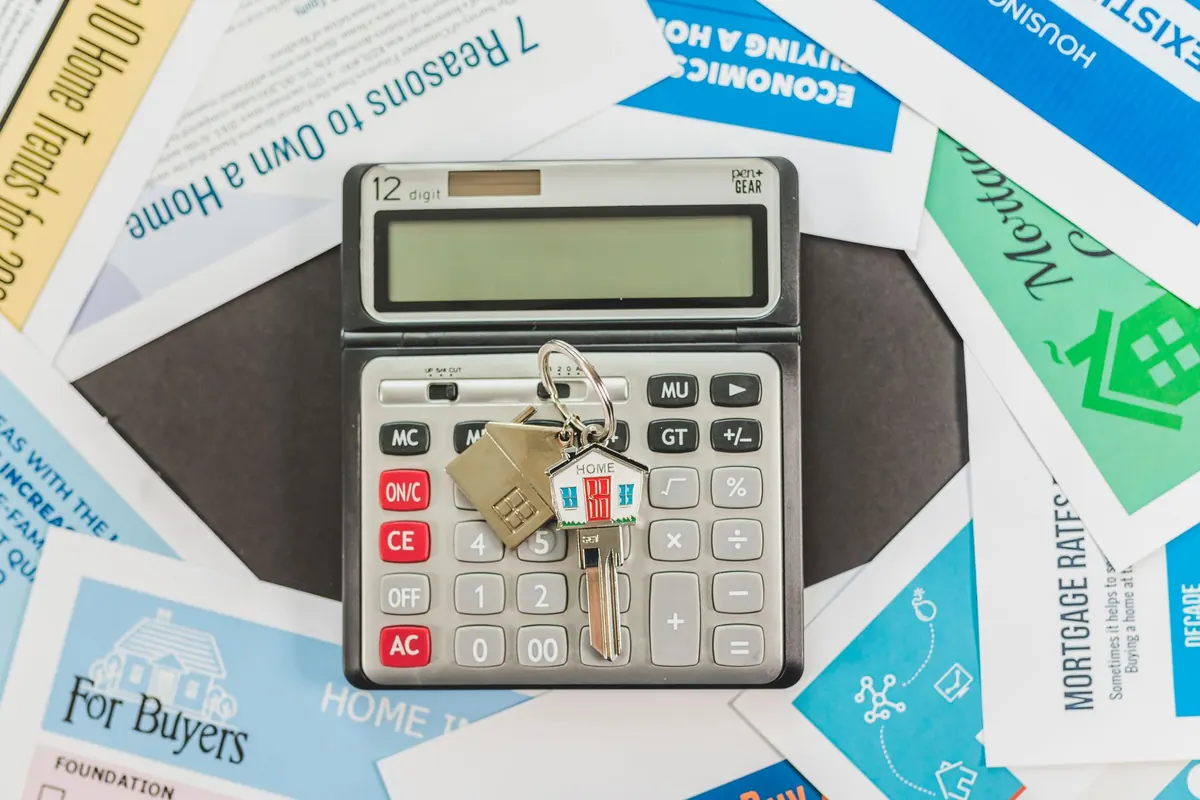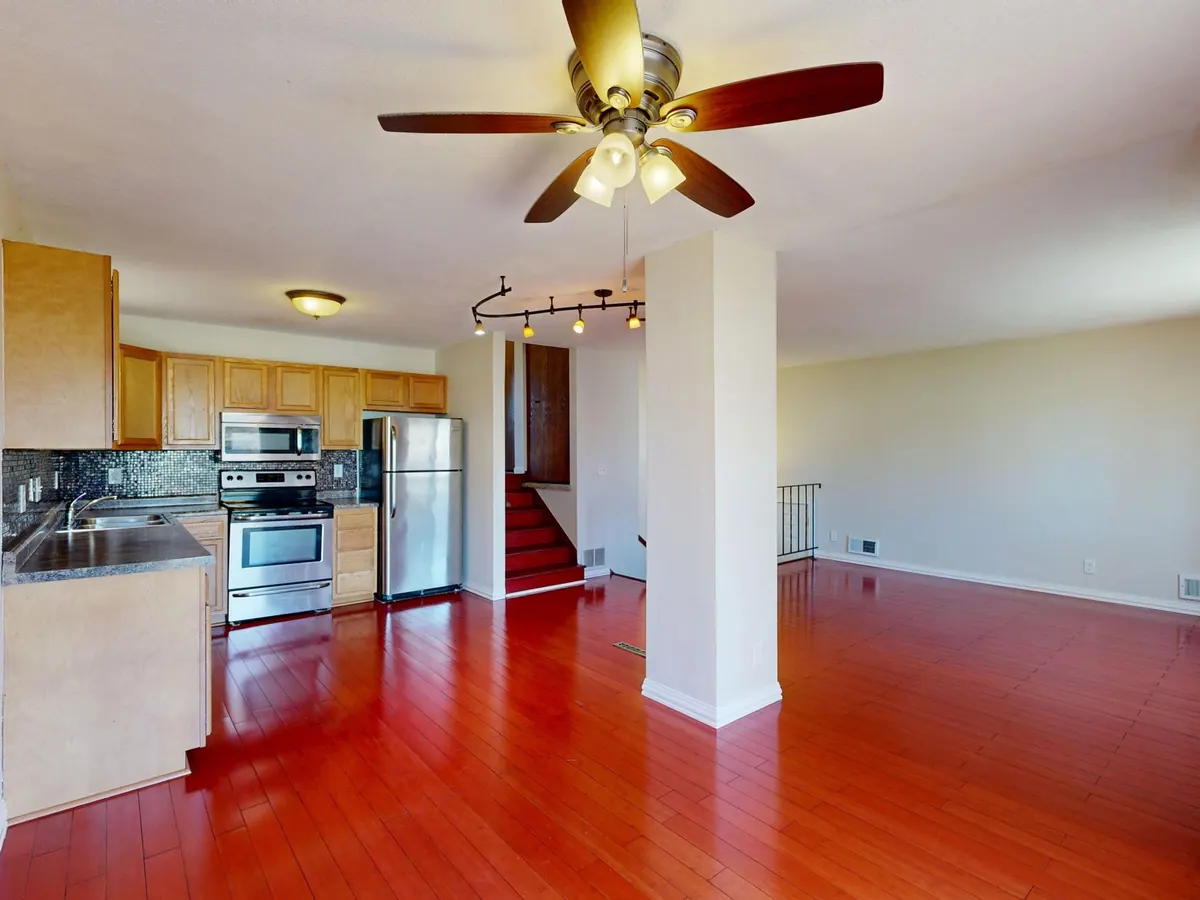
A rental property can look profitable on the listing sheet and still drain your bank account every month. The gap between "the rent is $2,400 and the mortgage is $1,264" and what you actually keep is everything in between: vacancy, repairs, taxes, insurance, management, and the costs that only show up once every few years.
Running the numbers properly takes about twenty minutes per property once you have a template. Here is how to build one, line by line.
Start With Real Rent, Not Hopeful Rent
New investors tend to plug in the rent the seller advertises. That figure is often the best-case rent from the strongest tenant three years ago. Use what similar units are leasing for right now, then shade it down slightly.
- Ask a local property manager what they would list the unit for and what they expect it to lease for in the current market.
- Look at comparable rentals that are occupied, not just the empty ones sitting at optimistic prices.
- Check whether rent includes utilities, parking, or a storage unit. Those inclusions change the effective number in both directions.
- For a multi-family building, verify the rent on each unit rather than accepting one blended figure.
If a unit is clearly below market, you can plan for an increase after the current tenant leaves. Just don't build your mortgage payment on rent you haven't collected yet.
Account for Vacancy and Turnover
Every rental sits empty sometimes. Vacancy isn't a sign you're a bad landlord; it's a normal operating cost. In stable markets, many investors plan on roughly one month empty per year, or about 8 percent of gross rent. Student housing, seasonal destinations, and neighborhoods with a lot of new supply run higher.
Turnover costs more than the lost month. Between tenants you may be painting, cleaning, replacing carpet, changing locks, and handling small repairs. Use 8 to 10 percent of gross rent for vacancy on a first pass, and keep make-ready costs as a separate line so they don't disappear into a general "maintenance" figure.
Operating Expenses: The Costs That Don't Stop
These are the bills you pay whether the unit is full or not. Pull real numbers where you can instead of guessing, especially for taxes and insurance.
- Property taxes - get the actual bill, and ask whether a reassessment is likely after the sale. A purchase price change frequently triggers one.
- Insurance - a landlord policy costs more than an owner-occupant policy. Get a quote rather than estimating.
- Maintenance and repairs - 8 to 10 percent of gross rent is a common planning figure for older housing stock; newer homes often need less, but not zero.
- Property management - typically 8 to 10 percent of collected rent, plus a leasing fee when a new tenant signs.
- HOA or condo fees - confirm what they cover and whether special assessments have happened recently.
- Utilities, lawn care, snow removal, pest control - anything the lease puts on you rather than the tenant.
- Licenses, permits, bookkeeping - small amounts that still belong in the math.
The 50 percent rule, and what it is not
A quick screen many investors use: assume half of gross rent goes to operating expenses and the mortgage has to fit inside the other half. It's a filter, not an answer. Some properties run at 35 percent, others at 60 percent. Use it to eliminate obvious losers in seconds, then do the full calculation on anything that survives.
Mortgage Payments, and What Isn't Cash Flow
Your lender's payment includes principal and interest, and often an escrow amount for taxes and insurance. If you already listed taxes and insurance as operating expenses, don't count them twice. Either use the full payment and drop those two lines, or use principal and interest only and keep taxes and insurance above the line. Pick one method and stay consistent, or your numbers will quietly mislead you.
Two items that are not cash flow: loan principal paydown and depreciation. Paying down the loan builds equity, which is real value, but it doesn't put money in your account this month. Depreciation is a tax concept, not a bill you pay. Cash flow is what actually lands in your bank account after every expense and the mortgage are covered.
A Worked Example
Say you're looking at a $250,000 single-family home, 20 percent down, financed with a 30-year loan at 6.5 percent. Monthly figures:
- Gross rent: $2,400
- Vacancy at 7 percent: -$168
- Effective income: $2,232
- Operating expenses: taxes $250, insurance $120, maintenance $180, management at 8 percent of collected rent $179, miscellaneous $50 - total $779
- Net operating income: $1,453
- Mortgage principal and interest: -$1,264
- Monthly cash flow: $189
That's $2,268 a year. With $50,000 down plus roughly $6,000 in closing costs, you have about $56,000 invested, which works out to a cash-on-cash return near 4 percent. The deal is not a disaster, but the margin is thin. A single $1,500 repair erases eight months of cash flow, and one extra vacant month pushes the property into negative territory for the year.
Stress-Test the Deal Before You Commit
Run three versions of the same property: base case, bad case, and worse case. In the bad case, assume two months of vacancy instead of one, taxes up 15 percent after reassessment, and one significant repair. In the worse case, drop rent 5 percent and raise insurance, because both happen in soft markets.
If a property only works in the base case, it doesn't work. You also want reserves on hand before you close: six months of mortgage payments, plus a separate fund for repairs. Investors who skip reserves usually end up funding them with credit cards at the worst possible moment.
If you're using an adjustable-rate loan or planning to refinance soon, run the numbers at the highest payment you could realistically face, not the teaser rate. And if you're counting on raising rent to make the deal work, ask yourself what happens if you can't.
Your First Run-Through
Build the template once in a spreadsheet and reuse it for every property you evaluate. Verify the tax bill and insurance quote yourself rather than trusting a listing sheet, get a real payment quote from a lender, and let the spreadsheet decide instead of your gut. Add a small slush line, even $50 a month, for the things you haven't thought of yet.
One last note: rental property involves tax rules, lending terms, and local landlord regulations that vary by location and change over time. A conversation with a qualified accountant and a local property manager early on is worth far more than a few extra hours of spreadsheet tinkering.
Photo: H031175 / Pixabay