You have the keys, the mortgage payment, and a listing form open in another tab. Most first-time landlords lose good tenants in the first thirty seconds of a listing, and not because the property is bad. It is because the listing makes it look bad. The mistakes are small, repeatable, and easy to fix once you know what to look for.
Photos That Undo a Decent Home
Photos are the filter every tenant applies before they read a single word. Dark, cluttered, badly angled images tell a prospective renter that the landlord does not care, and they will assume the same about repairs.
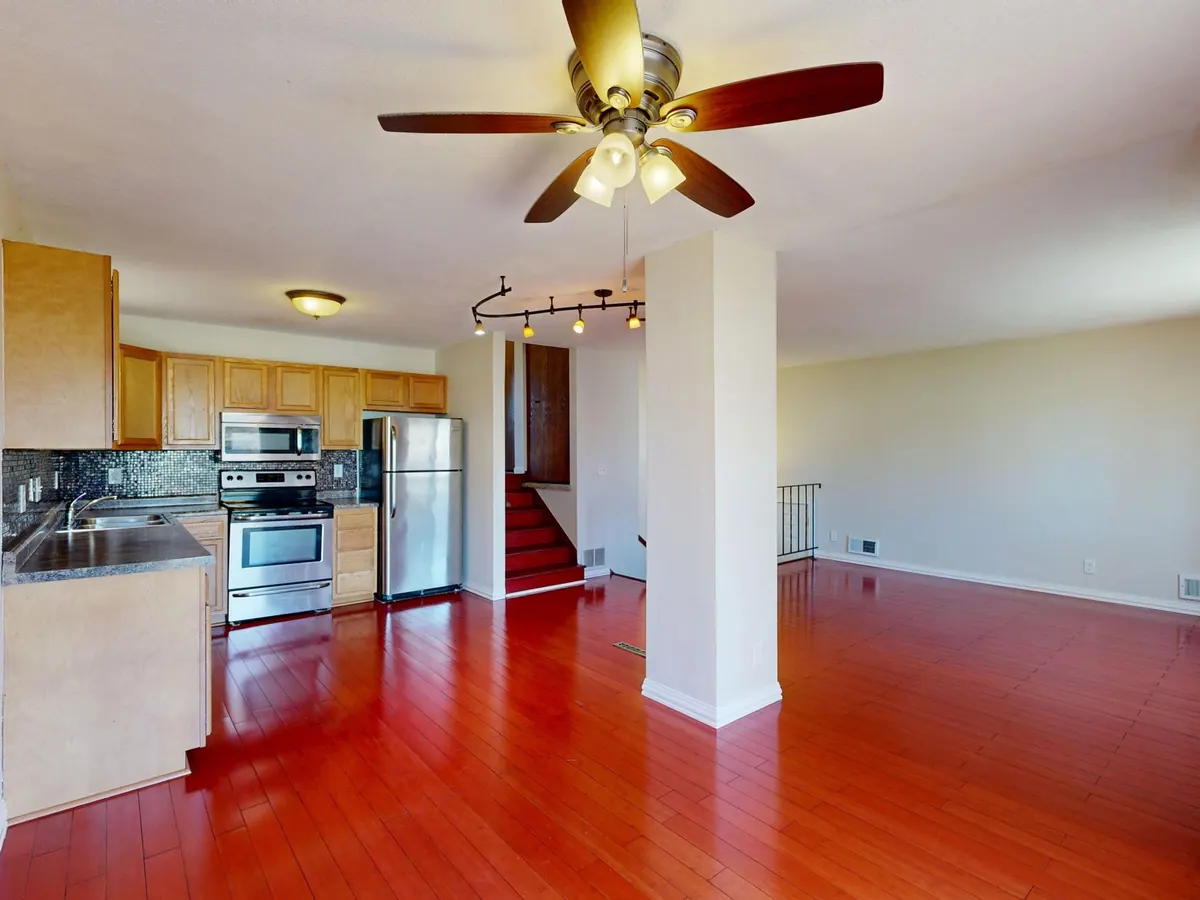
The most common offenders: a photo taken at night under a single ceiling bulb, a shot of a bed with the duvet rumpled, a toilet with the seat up, and the classic portrait-orientation snap that gets cropped into a mess on the search results page. Then there is the set with no exterior shot, so nobody can picture where the building actually sits.
Fixing this takes one afternoon. Open every curtain, turn on all the lights, and shoot between mid-morning and early afternoon when the light is even. Clear the counters, take the magnets off the fridge, and put the bin out of sight. Stand in a corner at roughly chest height, hold the phone steady, and take one wide shot of each room, then a few closer ones of the details renters care about: the shower, the kitchen storage, the boiler cupboard, the parking space.
- Lead with your best light-filled space, not the front door.
- Include a clear exterior shot and one of the street.
- Show storage, cupboards and the water heater, not just furniture.
- Aim for fifteen to twenty-five images. Fifty is noise.
- Never use a photo from before the current condition of the unit.
Descriptions That Say Nothing
"Charming," "spacious," "must-see" and "won't last long" are filler. They eat space and answer nothing. A tenant reading ten listings cannot tell your "spacious" two-bedroom from anyone else's.
Replace adjectives with specifics. Not "bright living room" but "south-facing living room with windows on two walls." Not "modern kitchen" but "galley kitchen with a full-size fridge, dishwasher and gas hob." Not "great location" but "six minutes on foot to the tram stop and a grocery store at the end of the street." Specifics are checkable, and checkable details read as honest.
Do not hide the awkward parts either. If there is no in-unit laundry, say so and give the alternative: a hookup in the basement, a laundromat two streets over. If parking is on-street only, say that. A tenant who learns the drawback in the description arrives at the viewing already at peace with it. A tenant who discovers it at the viewing feels misled, and you have wasted everyone's evening.
Write it once, properly, and never paste the same generic paragraph across listings. Renters spot it immediately.
Pricing by Hope, and Pricing by Fear
There are two ways first-time landlords misprice a rental. The first is pricing at what the mortgage plus a comfortable margin requires. The second is pricing so low that forty people reply and you spend a week answering messages.
Look at what similar rentals in your area are asking right now, and then look at how long those listings have been sitting. A rental that has been advertised for six weeks at a given price is telling you something. Asking prices are not the same as achieved rents, so if you can, ask a local letting agent or another landlord in the building what units actually go for.
Testing a high price and dropping it two weeks later is a bad strategy. The listing goes stale, the same tenants see it again at a lower number, and they assume there is a reason nobody wanted it. Decide on a figure you can defend, publish it, and hold it for a reasonable period before reconsidering.
Signals your price is off
- No enquiries at all in the first week.
- Plenty of messages, but nobody books a viewing.
- Viewings go well until you mention the number.
- Every enquiry asks whether you will accept less.
Think about total monthly cost from the tenant's side, not just the rent figure. Parking, utilities, pet fees and application charges all land in the same budget. Deposit rules, notice periods and permitted rent increases vary widely by country, state and city, so check your local requirements or take advice from a qualified property professional before you put a number and a contract in writing.
The Details You Forgot to Mention
Missing information does not create mystery. It creates work, and most renters will not do it. If a tenant has to email you to ask when the unit is available, whether pets are allowed, or what the deposit is, a good share of them will simply move on to the next listing.
State the availability date and the lease length. Say whether the unit is furnished, part-furnished or empty. List the heating type and whether there is air conditioning. Note laundry, parking, outdoor space, storage and the floor number. Say if there is a lift, and mention stairs if there are any, since this matters to a lot of renters. Give an honest range for typical utility costs if you know it, and say which bills are included.
Add room dimensions or, better, a simple floor plan. It takes twenty minutes with a tape measure and it filters out half the unsuitable enquiries.
Slow Replies and Vague Viewing Plans
Renters contact several properties at once. The first landlord to reply clearly usually gets the viewing. Answer within a day, ideally within a few hours, and answer with real information rather than "when would you like to see it?"
Offer two or three fixed viewing windows instead of open-ended availability. Confirm the address, the buzzer or entry instructions, and who will meet them. If you want to screen lightly first, ask one or two polite questions about move-in date and occupancy, but do not turn a first message into an interrogation.
A Short Checklist Before You Publish
- Read the description aloud and delete every adjective you cannot prove.
- Check the photo order and confirm the lead image is the strongest.
- Add dimensions, a floor plan, or both.
- State rent, deposit, included bills and any extra monthly costs.
- Give the availability date and lease term.
- Verify that transport, walk times and nearby amenities are described accurately.
- Ask a friend to read it and describe the home back to you. If they cannot, rewrite it.
Treat the Listing as a Filter, Not a Pitch
The goal is not the largest possible pile of enquiries. It is the right ones. A listing with honest photos, specific language and a defensible price will produce fewer messages and far better viewings, because the people who turn up already know what they are getting and have decided they want it.
Before you publish, spend fifteen minutes imagining you are the tenant scrolling past your listing at ten at night with three others open beside it. Would you stop? If the answer is not a clear yes, the fix is almost always the same: better light, fewer adjectives, more facts.
Photo: Peter Vang / Pexels