A cottage and a year-round home can look nearly identical on a listing page and feel nothing alike to own. One is a place you visit. The other is where your mail arrives, your pipes have to survive February, and a broken furnace is an emergency rather than an inconvenience you deal with in May. The differences show up in access roads, insurance paperwork, septic tanks, and how many weekends you spend holding a caulking gun. Here is where the two paths actually diverge, and what to check before you pick one.
Start With Access, Not Square Footage
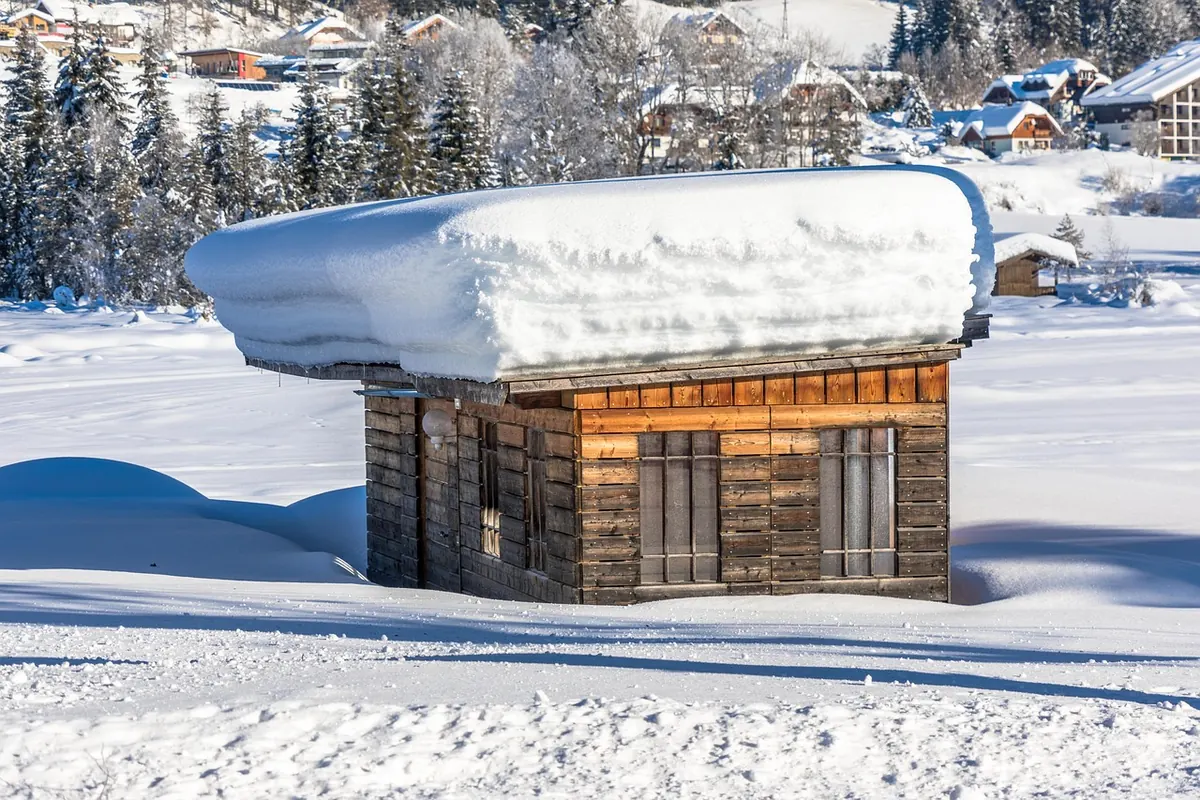
The first question isn't how many bedrooms. It's how you get there in the worst month of the year. A road that's plowed to your driveway in July may be an unassumed private lane in January, maintained by a handful of neighbours who split the bill. Some properties are reachable only by ferry, by boat, or over a causeway that floods in spring.
Water supply matters just as much. If the cottage draws from a lake with a shallow intake line, you may be pulling it every fall before the ice arrives. If it's on a well, you'll want to know the recovery rate and when the pump was last replaced. And check one more thing that surprises a lot of buyers: whether the property is legally allowed to be lived in year-round. Some cottages sit in areas zoned for seasonal use only. Confirm permitted use with the local planning office before you write an offer, and get that in writing.
What Each Option Really Costs to Carry
Municipal services hide a large part of a primary home's cost inside the tax bill. A cottage often replaces those services with things you buy and maintain yourself. The lists look different:
- Year-round home: municipal water and sewer (or a well and septic you maintain), snow clearing on a public road, standard homeowner's insurance, and utility bills based on a house built and heated for continuous living.
- Typical cottage: dock and boat lift repairs, annual water testing, septic pumping every few years, propane delivery or a wood supply, a road association fee, winterizing and spring opening, and a much longer drive that quietly adds fuel and time to every trip.
Two of those items — the septic system and the roof — are the ones that wreck budgets. Ask for pump-out records and the age of the roof, and budget for both as if they're already overdue. On a cottage, they usually are.
Insurance, Utilities, and Taxes Behave Differently
Cottage insurance is its own product. Insurers want to know how often someone checks the property, what heats it, whether there's a wood stove, and how far the nearest fire station is. A wood stove often needs an inspection certificate, and a property left empty for weeks at a time may need a named person doing regular walk-throughs. If you plan to rent it out, say so up front; a standard seasonal policy won't cover commercial use.
Utilities are stranger still. Heating a cottage from cold every Friday night costs more than holding it at a baseline, and the constant swing between warm and freezing is what grows mould in the walls and cracks the toilet tank. Many cottage owners run electric baseboard or propane, both of which can be pricey per square foot in a building with thin insulation.
Property taxes vary widely by municipality, and some jurisdictions tax seasonal properties at a different rate or exclude them from homeowner rebates that apply only to a principal residence. Rules also differ on whether a second home qualifies for a principal-residence exemption when you sell. This is a genuine tax question, not a guess — run it past an accountant before you assume the numbers work.
Maintenance: More Surface Area, Fewer Eyes
Owning two properties doesn't double the maintenance; it doubles the roofs, the gutters, and the driveways, then removes the daily awareness that catches small problems early. A drip under a sink in a house you sleep in gets fixed on Tuesday. The same drip in a cottage you visit monthly becomes rotten subfloor by August.
The fix is a written seasonal routine: a spring opening checklist, a fall closing checklist, and a monthly walk-through by a neighbour, a local property manager, or a hired caretaker. Budget for that service the way you'd budget for a utility. It is not a luxury; it's what keeps a seasonal property from degrading between visits.
Financing a Cottage Is a Different Conversation
Lenders sort properties into categories — primary residence, second home, and investment — and the category drives the terms. A cottage you'll use yourself is usually a second home, which often means a larger down payment and closer scrutiny of your overall debt load. If you intend to rent it, expect it to be treated as an investment property, with different down payment requirements and rental income that lenders may count only partially.
Appraisals are another wrinkle. Cottage comparables can be scarce, and a lender's appraiser may value the property differently than a buyer would in a hot recreational market. Talk to a mortgage broker early, before you fall for a listing, and get a pre-approval that specifically names the type of property you're shopping for. Rules differ by country, lender, and region, so treat any general guidance — including this — as a starting point.
A Pre-Offer Checklist
Ask what the property costs you in February, not in July. That's where the real numbers live.
- Confirm the road is maintained — and by whom — twelve months a year.
- Verify zoning permits year-round occupancy if that's your plan.
- Get well and septic records, including pump-out dates and any inspection reports.
- Request the insurance quote before you remove conditions, and mention any rental plans.
- Price out the annual carrying costs: heat, plowing, road fees, caretaking, and repairs.
How to Decide With Fewer Regrets
Run the numbers three times: as a ten-weekend summer place, as a long-stay retreat you use forty nights a year, and as a full-time residence. Divide total annual cost by nights used. Most buyers are surprised by the first figure and sobered by the second. Then test the lifestyle honestly — spend a winter night there, drive the commute on a weekday, and ask whether you'd still love the place when the dock is out and the nearest grocery store is forty minutes away.
If the answer is yes to the lifestyle and yes to the budget, a cottage can be one of the most rewarding things you own. If it's only yes to the view, a year-round home with a shorter driveway may serve you better.
Photo: TimHill / Pixabay