A cottage left alone through January does not forgive much. Water sits in a pipe behind the kitchen sink and expands. A rafter gets damp in November and stays damp until April. Mice find the half-inch gap under the porch step and settle in for the season. Closing properly takes a weekend, and most of it is unglamorous work — crawling under sinks, hauling the dock, bagging up the last of the pantry. But those few hours in October are the difference between opening the door in May to a dry, quiet place and opening it to a swollen floor and a smell you will spend a month trying to remove. Here is the order that matters: water first, then heat, then everything outside.
Shut the Water Down Properly
Water causes more cottage damage than wind, snow, and thieves combined. Start at the source. If you are on a well, switch off the pump and drain the pressure tank. If you are on a municipal line, close the main shut-off valve where the pipe enters the cottage and confirm it actually stops the flow — old gate valves sometimes do not. Then open every faucet in the house, working from the top floor down so gravity does part of the job. Leave the taps open when you go; trapped pressure has nowhere to go if there is no water behind it.
Drain the water heater completely, and don't skip the appliances people forget: the dishwasher, the washing machine, the ice maker line, the humidifier, the outdoor shower. Washing machine hoses left connected over winter are a common failure point, so disconnect them and let them hang. Hose bibs should be shut off inside and left open outside.
The traps are the part that catches people out. A P-trap under a sink holds a cupful of water that will freeze and crack the fitting. You cannot easily blow these dry, so pour in plumbing antifreeze — the non-toxic propylene glycol kind sold for this purpose, never automotive antifreeze. A cup or two per trap, plus the toilet bowl and any floor drains. If your cottage has a seasonal water system with long runs of pipe, blowing the lines with compressed air is worth hiring a plumber to do. Watch once, and you can handle it yourself next year.
Heating, Power, and What Stays On
There are two philosophies here, and both work if you are consistent. Some owners keep a low heat setting — often around 10°C — to keep the shell dry and interior pipes above freezing. That is sensible where the power supply is reliable and the furnace does not depend on a fuel delivery you cannot guarantee. But low heat is false comfort in a rural area with overhead lines: two days of outage in a hard freeze and you have burst pipes anyway.
If you shut the place down completely, turn the propane off at the tank, switch off the furnace, and let the pilot lights go out. Unplug everything electrical — television, microwave, coffee maker, chargers, the router. A surge on a rural line can cook electronics you left sitting there. Whether you leave the main breaker on depends on what you want running: security lights and a sump pump, yes; everything else, no.
Mice, Damp, and the Air in Spring
Rodents are looking for the same thing you are — somewhere warm and dry. Walk the exterior and seal the obvious entries: where pipes and wires enter the foundation, dryer vents, the gap between the sill and siding, the corner of the porch where the screen has pulled loose. Steel wool packed into small gaps and covered with spray foam works well, since mice will not chew through the steel wool.
Then remove the invitation. No food left behind, including flour, crackers, and birdseed — birdseed is a particular favourite. Clean the fridge and prop the door open so mould does not take hold. Lift cushions and bedding off the floor, stand mattresses on edge, and leave closet doors ajar. A few moisture absorbers in drawers and cupboards help. If you leave power on, a dehumidifier on a timer is useful in a damp basement, but it is no substitute for a dry, ventilated space.
Exterior Protection Before the Snow
Start with the roof. Replace curled or missing shingles and check the flashing around the chimney and vents while you still have footing. Clear the gutters and downspouts completely — clogged gutters plus a warm attic are the recipe for ice dams, and ice dams are how water gets inside a wall. Trim any limb hanging over the roofline; a branch under a heavy snow load is a predictable problem, not bad luck.
Check the caulking around windows and doors, and put up storm windows if you have them. Store or stack the patio furniture and cover what stays out. Take in the dock, pull the boat, and store kayaks and canoes upside down and off the ground. Walk the foundation and clear leaves and debris from the base of the wall, and make sure the grading still sheds water away from the cottage rather than toward it. For crawl spaces, follow local guidance on vents — some owners close them for winter, others leave them open; the goal either way is a space that stays dry.
Security, Monitoring, and Insurance
A cottage that looks occupied is a poor target. Fit deadbolts, pin ground-floor windows, and put two or three lamps on timers rather than leaving one burning for four months. If you have cell coverage, a monitored alarm or a couple of trail cameras cost less than a single break-in. Otherwise, ask a neighbour to walk the property or hire a caretaker for monthly checks — in many rural areas this is a normal, inexpensive service.
Then make one phone call before you lock up. Seasonal and frequently vacant properties are treated differently by insurers, and conditions vary: some policies require regular checks, some restrict or exclude damage from freezing when a home is unheated for extended periods. Confirm the requirements in writing with your insurer or broker so a claim in March is not a surprise.
Your Closing Checklist
- Water off at the main valve or pump; pressure tank drained.
- All faucets opened, top floor down; left open.
- Water heater, dishwasher, washing machine, and hoses drained and disconnected.
- Antifreeze in every trap, the toilet bowl, and floor drains.
- Furnace and propane off, or thermostat set low; appliances unplugged.
- Gaps sealed, all food removed, fridge cleaned and propped open.
- Roof checked, gutters and downspouts cleared, tree limbs trimmed.
- Furniture, dock, boat, and water toys stored.
- Locks secured, timers set, neighbour or caretaker confirmed.
- Final walk-through with this list in hand before you drive away.
The Last Walk-Through
Do the final check in daylight, with the list in your hand, and do not let anyone rush you through it. Photograph the closed main valve and the thermostat setting on your phone; in April you will want the reassurance. Shut off the last light, lock the door, and drive away knowing the place is ready for what is coming.
And where any of this sits outside your experience — blowing the lines, servicing the propane system, interpreting your policy — pay someone who does it every week. A licensed plumber or heating technician for two hours costs far less than a flooded floor and a spring spent tearing out drywall.
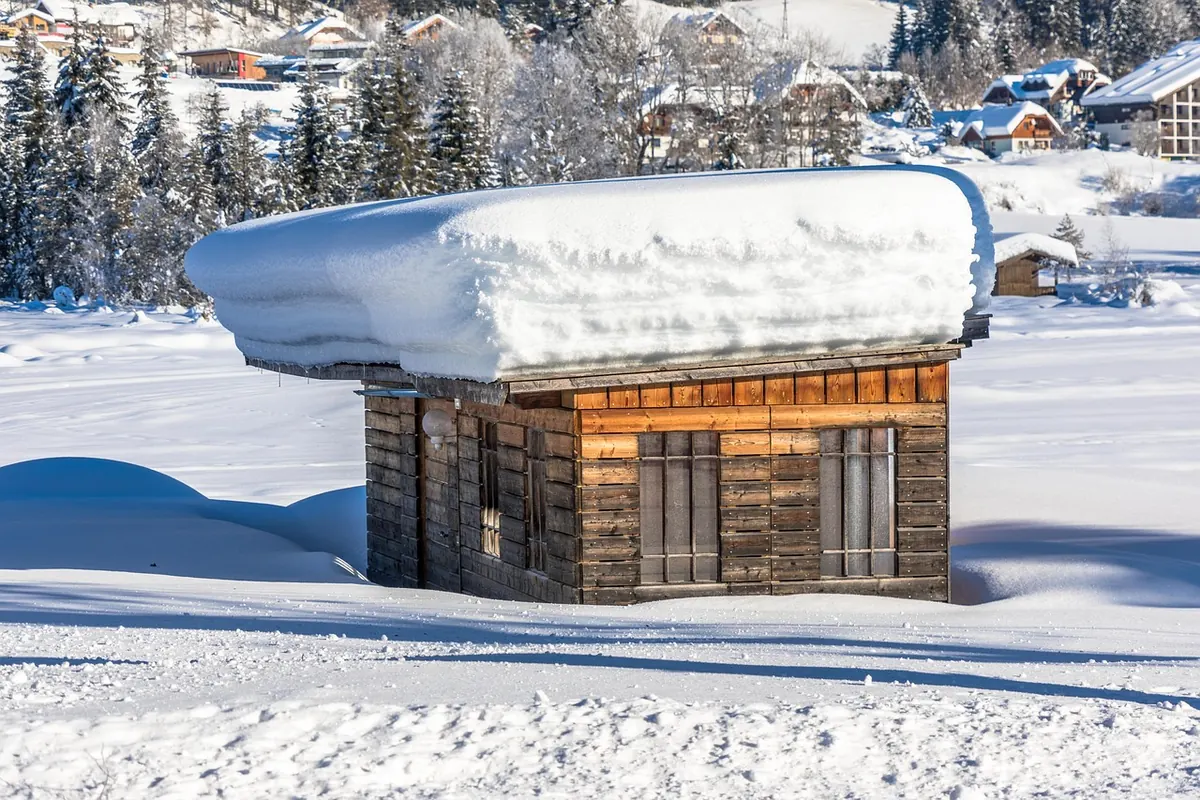
Photo: Mike_68 / Pixabay